
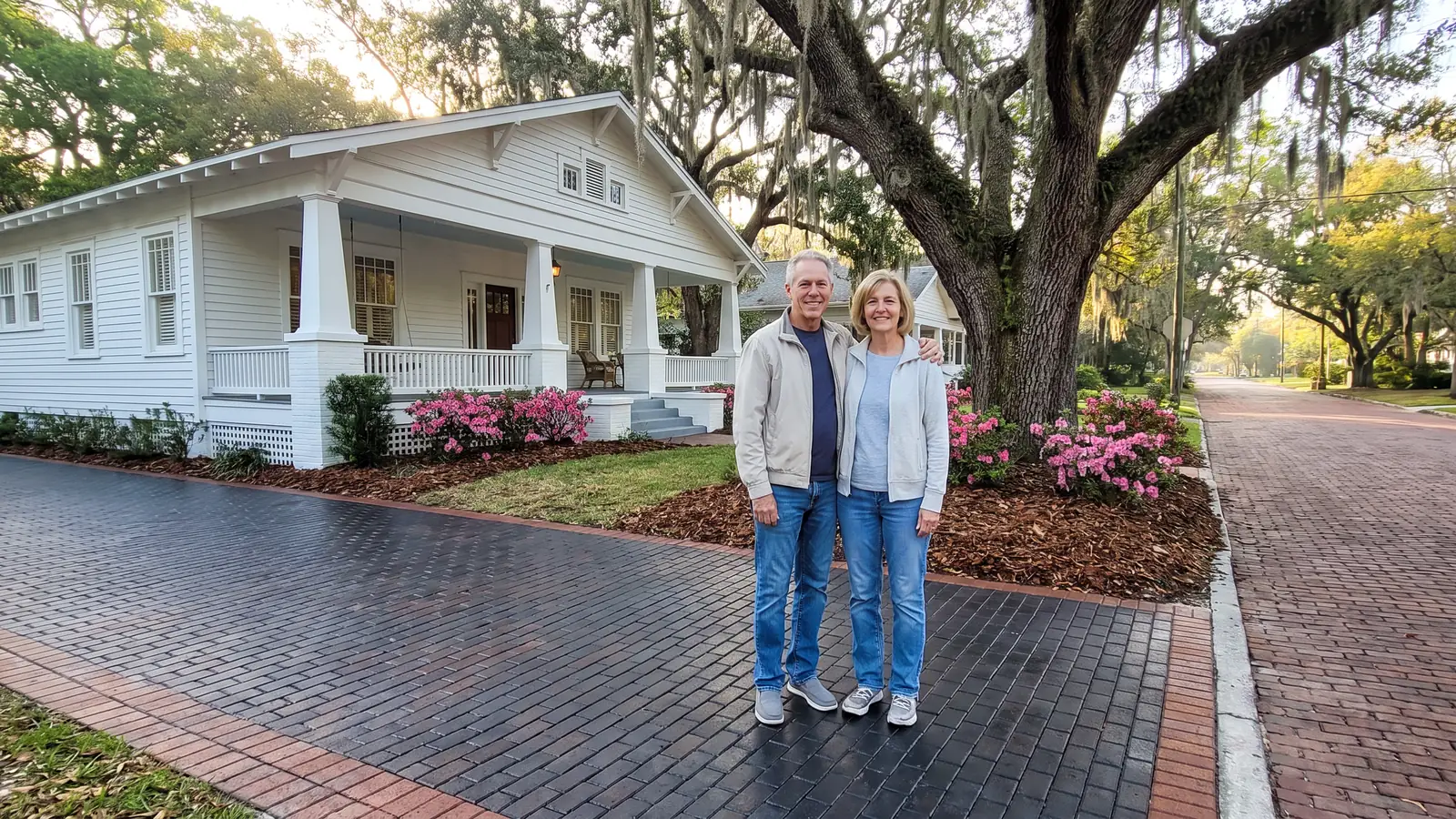
Paver sealing for Daytona Beach homes
Paver Sealing in Daytona Beach, FL
Daytona Beach pavers between river and ocean can be sealed, so call (689) 356-6421 for a free estimate.
- Brings out deeper paver color
- Fresh joint sand helps lock pavers in place
- Gives weeds less room to grow
- Makes the surface easier to keep clean
- Free estimate, no obligation
Request a Free Estimate
Free, no obligation.
Fast, careful paver sealing in Daytona Beach
Paver sealing is available across Daytona Beach, on the beachside and on the mainland west of the Halifax River. A local contractor cleans, re-sands and seals driveways, pool decks and patios, and the estimate is free. Call (689) 356-6421 for a reply within 1 business day, usually much sooner.
Picture a driveway with a gray, freckled film and green creeping into the joints, a few steps from a pool deck that has lost its color. A wash, fresh joint sand and a new coat bring one even tone back to the whole yard. Tell the contractor what you see when you request your free estimate, and you will hear what the job needs.
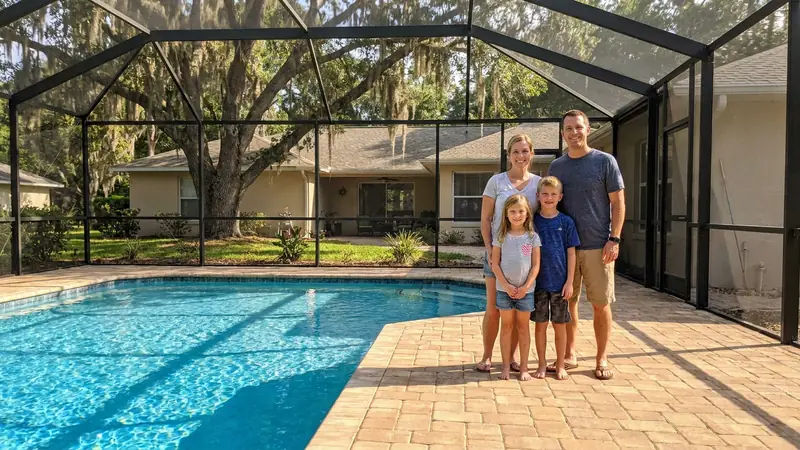
Why hire a local paver sealing contractor in Daytona Beach?
Daytona Beach sits between a tidal river and the open Atlantic, so pavers here take moisture from two directions. A local contractor plans for that, and you can request your free estimate to hear how.
A free look first
The contractor checks your Daytona Beach pavers at no charge and gives you a price before any work is agreed.
A published price range
Central Florida companies publish $1.50 to $3.00 per square foot to clean, sand and seal. Use that range to size up a bid.
A finish that fits the yard
Matte keeps a natural look and a wet look deepens color. The wet look shows scuffs sooner, which matters on a daily driveway.
You stay in charge
You pick the date, the finish and whether to go ahead. A Daytona Beach estimate carries no obligation, and you can say no.
Get Your Free Estimate in Daytona Beach
Tell us about your pavers in Daytona Beach.
Free, no obligation
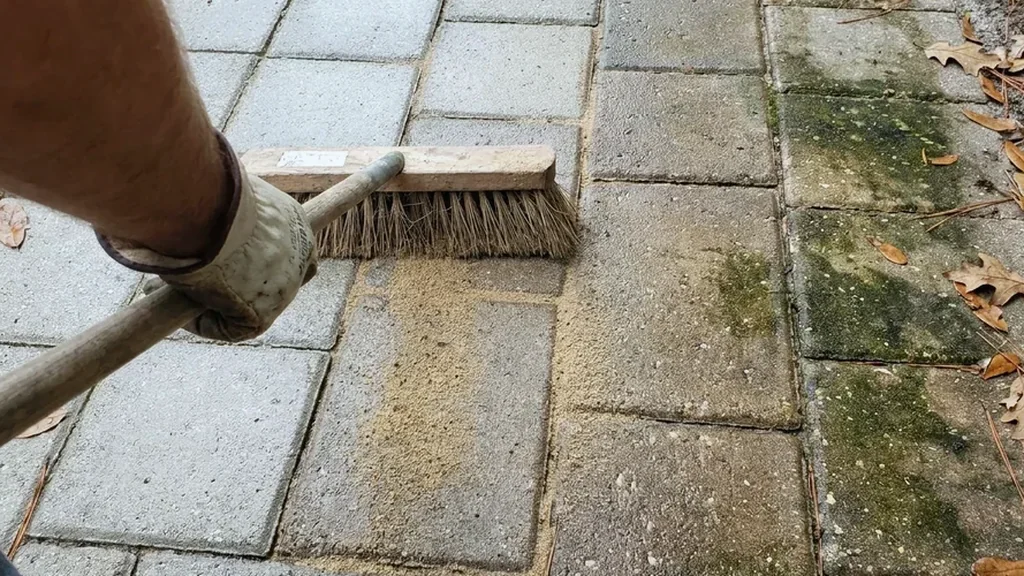
What paver problems show up most in Daytona Beach?
Salt air and river damp near the water
A Daytona Beach cleaning company says the humid coastal climate speeds up dirt buildup and mildew, and that salt air settles on outdoor surfaces. Pavers close to the ocean or beside the Halifax River may stay damp longer than pavers farther inland. Sealer over a damp or dirty surface can trap the problem under it. That is why the wash and the drying time come before anything else. If your yard has a screen enclosure or a shaded entry, expect green growth to start there first. The wash is not optional on a coastal lot.
Sandy ground that shifts under a driveway
UF/IFAS describes North and Central Florida soils as sandy ground that holds water poorly. Trade guidance links settlement near curbs and downspouts to bedding sand that drainage washes away. Sealer does not lift a sunken paver. Low spots by the curb or the garage apron should be reset first, so the finished coat sits on a flat surface. A contractor who sees a dip will point it out at the first visit, before it is covered.
Storm water on a low, flat lot
Daytona Beach sits about 13 feet above sea level and gets most of its 51.25 inches of rain from June through September. During Hurricane Nicole in 2022, WUSF reported flooded roads at the Seabreeze bridge in Holly Hill, next door, near the Halifax River. Water and silt can leave a film and pull sand from joints. A lot that has taken water needs a deeper wash and fresh sand. Ask the contractor to look at the low end of the drive after a heavy rain. Ask for rinse water to be directed away from the house and garage.
Old sealer from a past owner
The 2020 census found 19.4 percent of Daytona Beach housing units vacant, and homes here change hands often. That can leave you with pavers and no record of who sealed them or with what. Water-based sealer cannot go over solvent-based sealer, and a failed coat may need stripping. A paver company serving Daytona Beach says it strips old sealer first when pavers were sealed before. Tell the contractor anything you know, even a guess, about the last coat.
Summer storms that move the date
Daytona Beach has daily but brief thundershowers in summer, and the July high averages 90.2 degrees. Sealer needs a dry surface, and a shaded patio can stay wet long after a sunny driveway dries. A contractor who watches the afternoon sky will move a sealing day rather than coat damp pavers. An early start and a dry forecast make for a cleaner finish. That is a normal part of the job here, and a good contractor tells you about it up front.
Does paver sealing differ on the beachside and the mainland?
Yes, in how the lot sits and how fast it dries. The Halifax River lagoon splits Daytona Beach in two, with the beachside to the east and the mainland to the west. Four toll-free bridges cross it, so a crew can reach either side. Let the contractor know if you are beachside or on the mainland when you request your free estimate.
Older areas bring their own surfaces. The Seabreeze Historic District sits between the Intracoastal Waterway and the beach, with shops along Seabreeze Boulevard, and Midtown holds the Mary McLeod Bethune Home. Beside older homes, wash water has to stay off old wood and stone. If your pavers sit near one of these districts, call (689) 356-6421 and mention the age of the house.
Event weeks matter here too. Bike Week in March and Biketoberfest draw several hundred thousand bikers, and roads near Main Street and the Boardwalk get slow. Supply runs take longer then, so ask about timing around those dates when you request your free estimate.
What does paver sealing cost in Daytona Beach?
Published prices across Central Florida run $1.50 to $3.00 per square foot for the wash, the sand and the sealer. A Daytona Beach job lands higher or lower depending on dirt, weeds, lost joint sand and old sealer to strip. A pool deck and a long driveway add area fast. To see a figure for your yard, request your free estimate, and there is no charge for the estimate.
Access changes the price too. A wide open driveway is simpler than a tight courtyard behind a beachside home, where gear gets carried by hand. A yard that took river or storm water may need extra rinsing. Call (689) 356-6421 to hear which of these fit your property.
| Paved area | Typical example | Clean, sand and seal |
|---|---|---|
| 300 sq ft | Small patio or walkway | $450 to $900 |
| 600 sq ft | Two car driveway | $900 to $1,800 |
| 1,000 sq ft | Large driveway or pool deck | $1,500 to $3,000 |
| 1,500 sq ft | Driveway plus pool deck | $2,250 to $4,500 |
Math based on the $1.50 to $3.00 per square foot that Central Florida paver companies published as of November 2026. Your contractor sets the actual price after seeing the surface. Repairs, leveling and stripping failed sealer are usually extra.
How does a paver sealing job work in Daytona Beach?
Walk the lot and find the old sealer
The contractor looks at how your Daytona Beach pavers drain, where they stay damp, and whether a coat is already on them. Low spots get marked for repair, because sealer will keep a dip as it is. A past coat changes the plan, because a water-based product cannot be laid over a solvent-based one. Mention any past storm water on your lot. This first look takes only a short visit.
Wash off the salt film and the green
Cleaning comes next. It targets the gray film, mildew and any green growth that humid coastal air encourages. Rust marks from irrigation get handled at this stage too. Rinse water should stay off older wood trim and stone wherever pavers meet the house, which matters on older beachside homes. Pavers should be rinsed clean, with no soapy film left behind. Stains from rust, oil or leaves are treated before the main wash so they do not set.
Put the sand back in the joints
Washing pulls joint sand out, so it has to be replaced before sealing. On sandy Volusia County ground, open joints let soil settle in and give weeds a start. Joints are topped off, and the whole surface is swept. If the sand has been thin for years, this step takes longer. Sand that stays put keeps the joints tight through the next rainy season. Pavers beside a pool also get their edges checked so sand does not wash into the water.
Wait for a fully dry surface
Sealer needs a dry surface. Daytona Beach rain peaks from June through September, and a pool deck or shaded patio can hold water after the sun returns. A careful contractor reads the forecast and holds off rather than coating a damp surface. Damp pavers under a wet look coat can turn cloudy. Walk the yard together at the start of the day and test a dry corner.
Apply the finish you picked
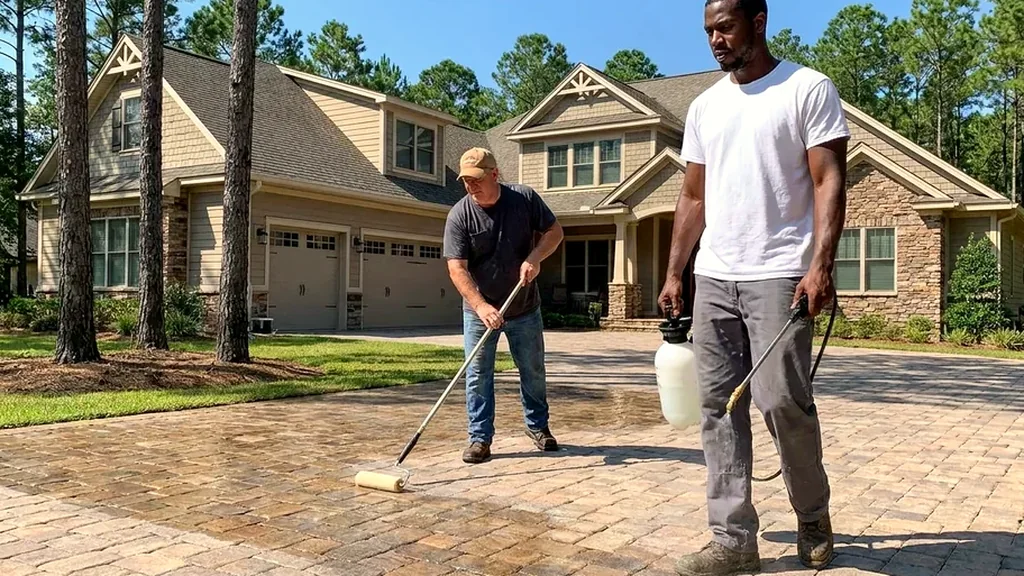
Now the sealer goes on, usually sprayed and then back-rolled so it reaches the joints and does not puddle. A wet look shows scuffs sooner than matte, which is worth weighing for a daily driveway. Quotes usually put the wait between coats at two to five years. Plan on 4 to 6 hours before feet and about 48 hours before cars. Keep chairs, planters and sprinklers off the surface during that first stretch.
Complete paver services in Daytona Beach
A Daytona Beach job runs in four steps: wash, re-sand, dry and seal. The wash lifts the film that salt air and humidity leave behind, and fresh sand goes into the joints next. Sealer goes on last so nothing dirty gets locked under it. To ask how long each stage takes on your lot, call (689) 356-6421.
Driveways take tires, oil drips and a hot summer. Pool decks take splash and constant moisture. Courtyard pavers beside a wall hold damp the longest. Tell the contractor which of these you have when you request your free estimate, because each one wears in its own way and gets its own plan.
One Central Florida company calls water-based sealer the standard for humid weather, since solvent-based coats can turn white and peel. Water-based sealer cannot go over a solvent-based coat, so an old product decides your options. Matte keeps the natural look and wet look deepens color. Call (689) 356-6421 to talk through the finish.
Daytona Beach gets most of its rain from June through September, often as brief daily showers. Sealer needs a dry surface, so a contractor watches the sky and moves the day when needed. A date in a drier stretch gives the coat time to set. For a date that fits your street, request your free estimate.
Questions to ask before you hire
- Will the sealer leave the pavers slick around the pool?
- Is a deposit required, and when is the balance due?
- Can I see a matte finish and a shiny finish on a small spot before you pick one?
- What is the sealer made of, and how long does it usually hold up on a Florida driveway?
- How do you protect my landscaping, sprinkler heads and mulch beds?
- Will you treat the green algae along my screen enclosure and pool edge before sealing?
- How many square feet did you measure, and how did you get that number?
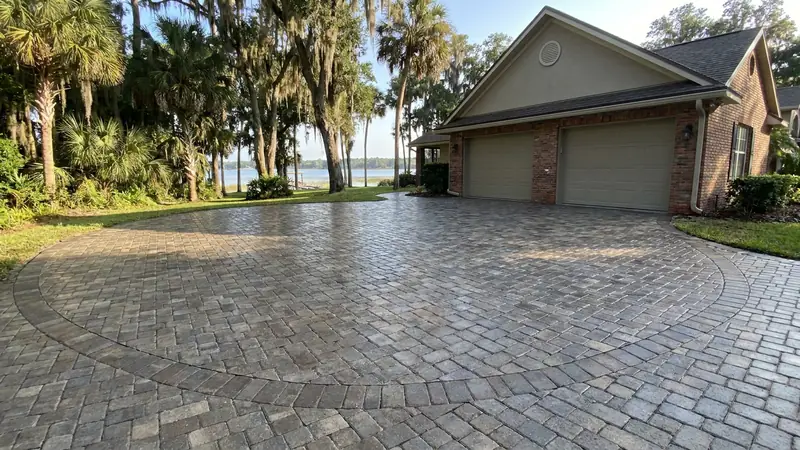
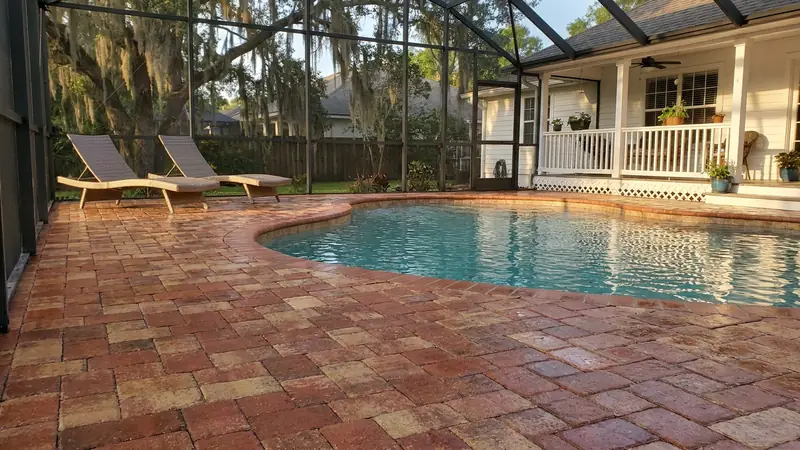
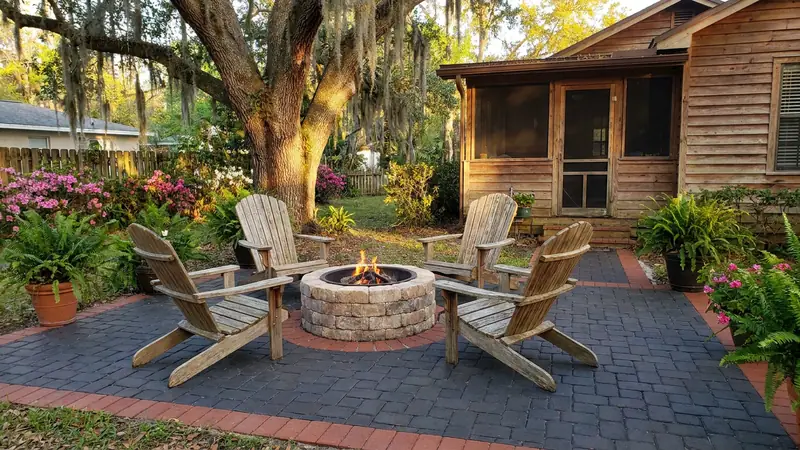
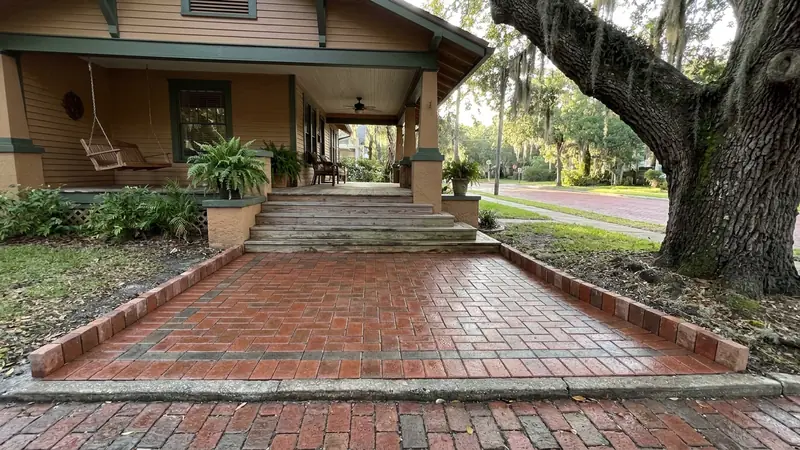
What do sealed pavers look like around Daytona Beach?
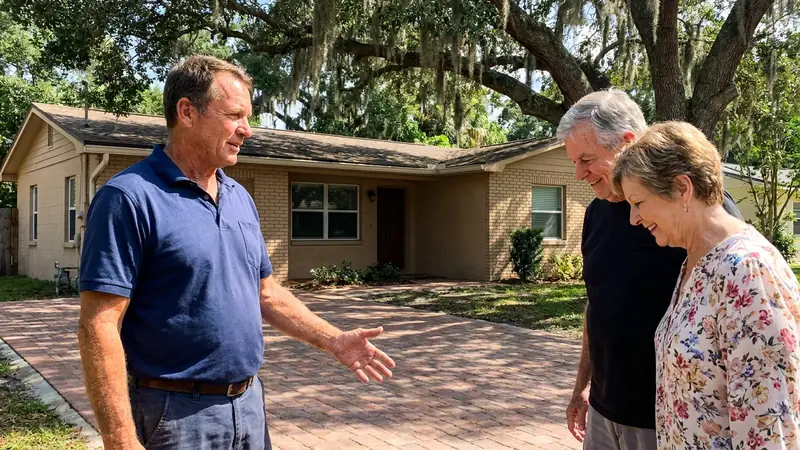
Why local matters in Daytona Beach
A contractor who works Daytona Beach will ask which side of the river you live on and how close the water is. That tells them how damp the pavers stay and how long they need to dry. To talk with a contractor who knows this coast, call (689) 356-6421.
Local knowledge helps with the calendar. Bike Week, Biketoberfest and race weekends fill the roads, and afternoon storms come up fast in summer. You can request your free estimate and ask how the contractor plans a sealing day around the weather and the events.
Storm history matters as well. Hurricane Charley hit the city in 2004, and Nicole flooded roads and damaged buildings along the coast in 2022. A yard that took water needs a longer wash and fresh sand before any sealer. If that sounds like your lot, request your free estimate and say when it last flooded.
Is Daytona Beach more than a race and beach town?
Yes, it began as a settlement bought by a man named Mathias Day in 1871, and residents named it for him. The town was incorporated in 1876, and cars raced on the sand until Daytona International Speedway opened in 1958. Near the Main Street Pier or the Boardwalk, many homes are older and have had several owners. If your walkway there needs attention, request your free estimate.
Today the city has 72,647 residents and more than 23 miles of public beach. The Bandshell, Ocean Walk Shoppes and the Volusia Mall draw crowds, and neighborhoods such as Midtown and Seabreeze keep their older character. Cars are still allowed on some of the sand at 10 mph. Near any of these Daytona Beach landmarks, call (689) 356-6421 and name your street.
Frequently Asked Questions
What does it cost to seal pavers in Daytona Beach?
Expect $1.50 to $3.00 per square foot for a full clean, sand and seal, which is what Central Florida companies publish. Where a Daytona Beach job lands depends on dirt, weeds, lost sand and old sealer. Have the quote state the total area, and then you can hold it up to that range. Pool decks and a long driveway count toward the total, so measure both when you compare quotes. Larger jobs often cost less per square foot than small ones.
How long does paver sealer last in Daytona Beach?
Quotes usually put the wait between coats at two to five years. Salt air, summer sun and daily tires are reasons to check a Daytona Beach driveway toward the shorter end. One Jacksonville company offers a simple test: water that beads means the sealer works, and water that soaks in means it is spent. Shade and traffic both change the answer.
Is there a downside to sealing pavers in Daytona Beach?
The main downsides are upkeep and timing. Sealer wears down and has to be renewed, and a shiny finish shows scuffs earlier than matte. It also needs a dry surface, which can push the date back during a wet week. None of these is a reason to skip sealing, but they are worth knowing before you book.
Is it better to roll or spray paver sealer in Daytona Beach?
Professionals usually do both. One paver company says spraying gives even coverage and back-rolling works the sealer into the joints and stops puddles. One tool on its own has a flaw: rolling may leave lap marks and spraying may over-apply on textured pavers. Before the day, ask the contractor whether the crew will spray, roll or do both on your pavers.
Does salt air change how pavers get sealed in Daytona Beach?
Mostly it changes the cleaning, not the sealer. A Daytona Beach cleaning company says salt air and humid weather build up grime and mildew, so the wash matters. Sealer goes on only after the pavers are clean and fully dry. A pool deck near the water may need a longer dry time before the coat goes on. Ask the contractor how they handle pavers close to the beach, since wind-blown sand and salt build up fast there.
Can new sealer go over old sealer on my Daytona Beach pavers?
Sometimes, but not over a solvent-based coat if the new product is water-based. A paver company serving the area says it strips old sealer first when pavers were sealed before. Keep any receipt or product name you find, because it can settle the question. Matching the new coat to the old one avoids a cloudy or peeling finish.
How soon can I park on sealed pavers in Daytona Beach?
A Central Florida company suggests 4 to 6 hours on foot and a full 48 hours for cars. Extra moisture, deep shade or a wet week can stretch that wait. The contractor can name the exact number of hours for the product going on your pavers. Keep chairs and planters off the pavers for the first day as well. A sealed driveway can look dry before it is ready, so wait the full time.
Will a summer storm ruin a sealing job in Daytona Beach?
A storm before the sealer sets can cloud the finish, which is why contractors watch the sky. Daytona Beach has daily brief thundershowers in summer. Expect the date to move if rain is forecast, and ask how the contractor handles a rain delay. Most crews tell you the day before whether the job is a go. If a storm comes after the coat is on, tell the contractor so the surface can be checked.
Nearby areas we serve
Ready for a Free Estimate in Daytona Beach?
Call (689) 356-6421 and tell us about your pavers.
Free, no obligation