
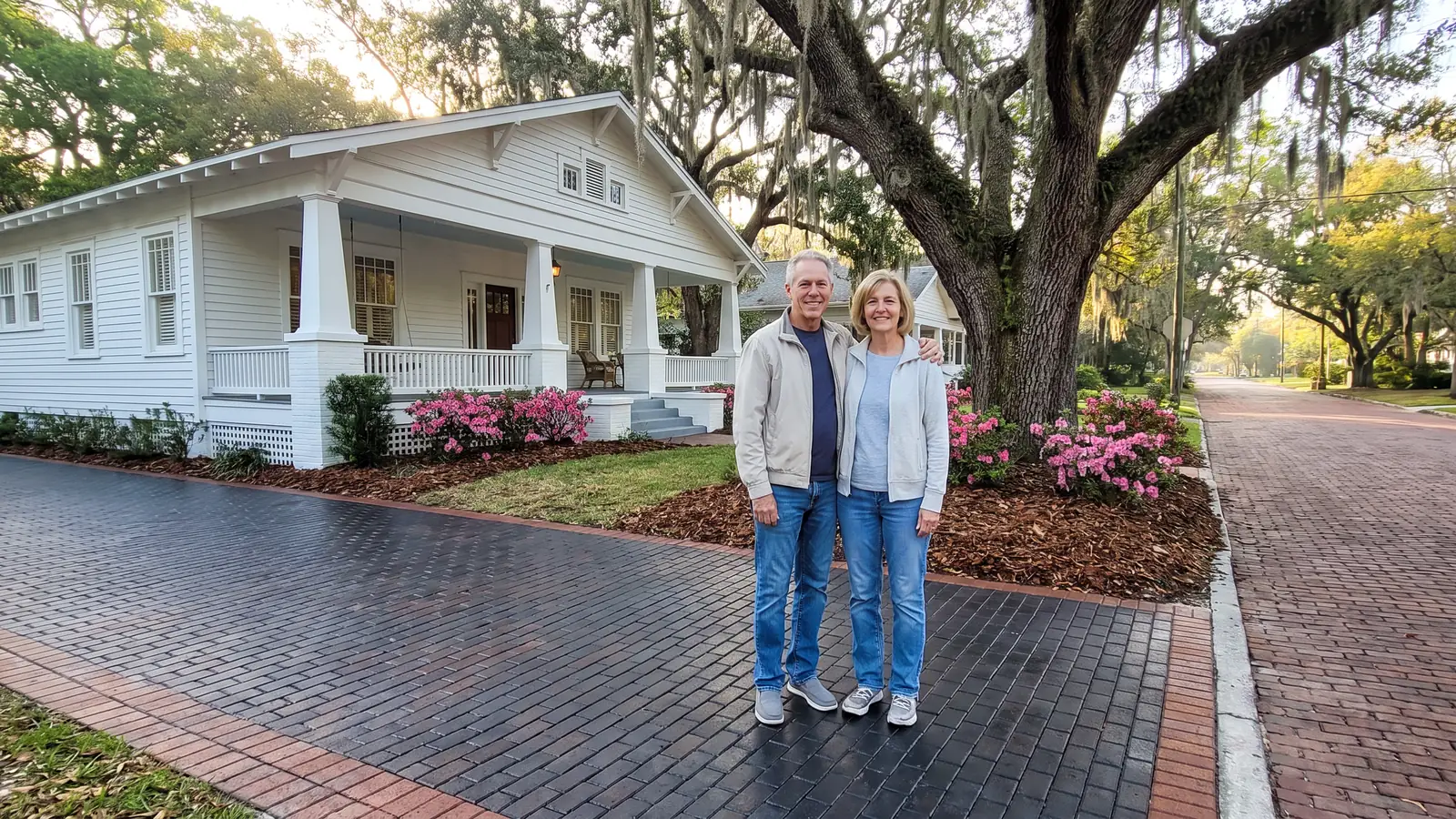
Paver sealing for Longwood homes
Paver Sealing in Longwood, FL
Longwood pavers off State Road 434 can be sealed, so call (689) 356-6421 for a free estimate.
- Brings out deeper paver color
- Fresh joint sand helps lock pavers in place
- Gives weeds less room to grow
- Makes the surface easier to keep clean
- Free estimate, no obligation
Request a Free Estimate
Free, no obligation.
Fast, careful paver sealing in Longwood
Paver sealing is available across Longwood, from the old village streets to the neighborhoods along State Road 434. A local contractor will wash, re-sand and seal your driveway, walkway or patio, and the estimate is free. Reach out at (689) 356-6421, and a reply lands within 1 business day, usually much sooner.
Maybe the apron of your driveway has sunk a little by the curb, and the joints are full of weeds and dark stains. After a wash, new sand and a coat of sealer, the pavers can read as one even color again. Describe your yard when you request your free estimate, and the contractor will tell you what each part needs.
Why hire a local paver sealing contractor in Longwood?
Longwood mixes homes from the 1870s district with subdivisions that grew up around bases and space jobs, so no two lots are quite alike. A local contractor sorts that out at the first visit, and you can request your free estimate to set it up.
A free first visit
The contractor looks over your Longwood pavers at no charge and gives you a price before you agree to anything.
A range to hold a bid against
Central Florida companies publish $1.50 to $3.00 per square foot to clean, sand and seal. Compare your Longwood quote to that.
Care near older homes
Near the historic district, wash water has to stay off old wood and brick. The contractor plans the rinse around that.
No pressure to book
You pick the date and the finish. A Longwood estimate has no obligation, so you can compare before you decide.
Get Your Free Estimate in Longwood
Tell us about your pavers in Longwood.
Free, no obligation
What paver problems show up most in Longwood?
Dips near the curb and the downspout
Trade guidance says settlement is common near curbs and downspouts, often where base was poorly compacted or drainage washed bedding sand away. Sealer does not raise a sunken paver, so a dip stays a dip under the coat. A Longwood driveway apron that has sagged should be reset before sealing. Point out low spots at the first visit so the contractor can price the repair. The repair is usually small, but it changes how level the finished surface looks. Level pavers shed rain more evenly after a storm.
Leaf stains under mature trees
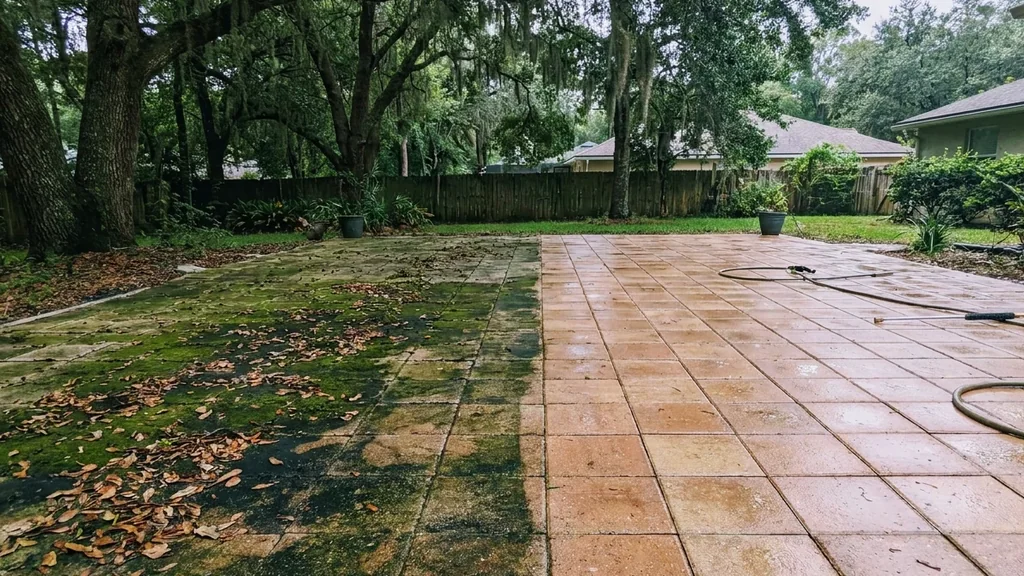
A Longwood paver company says it pretreats algae, leaf tannins and irrigation rust, which means those stains need their own step before the wash. Trade guidance adds that algae should not grow on pavers unless the area is heavily shaded. If a walkway sits under oaks, expect green and brown marks to return first there. Sealer slows that return but does not stop it. A walkway that is damp all morning is a clue that the shade is the cause. Trimming low limbs can help, and the contractor can suggest where to start.
Joint sand that rain keeps washing out
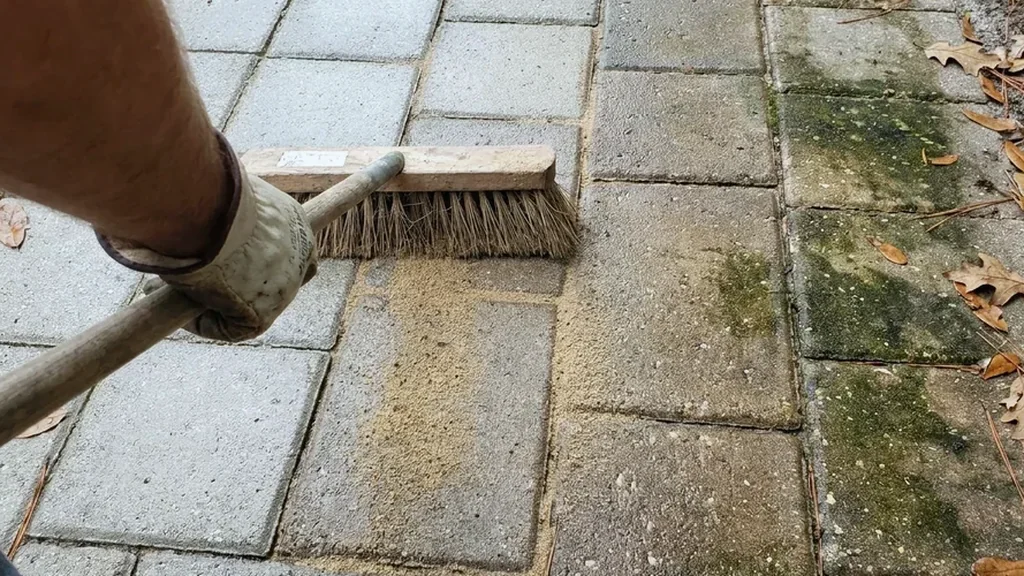
Lost joint sand widens joints, lets soil in and gives weeds a place to start. Longwood has long summer storms, and a job day has to fit around them. Fresh sand after the wash keeps the surface locked together. Where weeds are already in the joints, expect extra prep time. Sand also moves when a driveway is rinsed hard, so the contractor tops up the joints after the wash. Pavers with tight joints keep their sand longer.
Orange marks from sprinkler water
UF/IFAS reports that most Florida well water is high in iron and often leaves orange stains. If your Longwood yard waters from a well, look for rust-colored fans on pavers where the spray lands. Those marks must be treated before sealing, since the coat would trap them. Aiming the heads off the pavers helps keep new marks from forming. Orange fans often line up with the sprinkler pattern, which makes the source easy to spot. A quick look on a watering day tells you which heads reach the pavers.
A coat that has failed
Sealer does not last forever, and a failed coat can turn white or peel. An Orlando company says a failed coat must be chemically stripped before new sealer goes down, and a Central Florida company says that adds cost. A water-based product also cannot be applied over a solvent-based coat. If you bought your home with the pavers already down, tell the contractor you do not know what is on them. A cloudy or flaking coat looks worse than bare pavers, because the film catches dirt. Stripping first costs more, but sealing over a bad coat only locks the problem in.
Do older Longwood streets and newer subdivisions need different sealing plans?
Yes, because the age of the lot changes the base, the shade and the rules. The Longwood Historic District covers 190 acres with 37 historic buildings, while The Woodlands replaced an airstrip in the late 1960s. Tell the contractor which kind of street you live on when you request your free estimate.
Around the historic district, wash water has to stay off old wood siding and brick. The Inside-Outside House dates to 1873 and the Bradlee-McIntyre House to 1885, so older materials are part of daily life there. Sabal Point, Wekiva and the other school neighborhoods grew later, with newer drives and sandier joints. If you are unsure which category your home is in, call (689) 356-6421.
Some Longwood areas have homeowner associations. The city calendar lists a meeting for The Landings in November 2026, so rules on color and timing can apply. Read your documents, then request your free estimate so the estimate fits what is allowed. The contractor can work from the color you already have.
What does paver sealing cost in Longwood?
A Longwood quote starts with square footage, which one Central Florida company calls the biggest cost driver. Companies in the region publish $1.50 to $3.00 per square foot for the wash, sand and sealer together. Heavy weeds, stains and an old coat to strip push a job up inside that range. To see a number for your Longwood pavers, request your free estimate, and the estimate is free.
Small jobs and tight yards price differently from open driveways. A back patio reached through a side gate takes more hand work than a wide front drive. A sunken apron adds repair time. Call (689) 356-6421, and the contractor can explain which of these apply to your lot.
| Paved area | Typical example | Clean, sand and seal |
|---|---|---|
| 300 sq ft | Small patio or walkway | $450 to $900 |
| 600 sq ft | Two car driveway | $900 to $1,800 |
| 1,000 sq ft | Large driveway or pool deck | $1,500 to $3,000 |
| 1,500 sq ft | Driveway plus pool deck | $2,250 to $4,500 |
Math based on the $1.50 to $3.00 per square foot that Central Florida paver companies published as of November 2026. Your contractor sets the actual price after seeing the surface. Repairs, leveling and stripping failed sealer are usually extra.
How does a paver sealing job work in Longwood?
Look over the drive and ask what is on it
The contractor walks your Longwood pavers and checks how water leaves them. Low spots near the curb and downspouts are marked for repair. If a coat is already down, the product matters, since water-based sealer cannot go over solvent-based sealer. Bring any receipt or name of the last sealer you can find. This visit usually runs about half an hour. Point at the spots that bother you and the contractor will take it from there.
Pretreat stains and wash
Leaf stains, algae and rust are treated first, then the whole surface is washed. Wash water should stay off wood trim and planting beds, which matters most beside older homes. A short drying pause follows. The contractor looks for stains that remain before moving on. Hard spray on old pavers can pit the surface, so the pressure and tip are chosen for the paver and not for speed. Plain water rinses the chemicals away afterward.
Re-sand the joints and fix the edges
Washing takes sand out of the joints, so it goes back before any sealer. Open joints widen and let weeds in, so this step protects the work. Sunken spots are reset where the job calls for it. A final sweep clears the loose sand off the surface. Pavers near a pool or a side gate get a careful look at the edges. Sand that spills into a drain or a pool is swept up before it causes trouble.
Keep sprinklers off and wait for dry
Sealer needs a dry surface, and Longwood storms often build in the afternoon. A Longwood company asks owners to keep irrigation off during the job and for 24 hours after. The contractor checks the forecast and the surface by hand. A damp corner waits. On a humid morning the surface can stay damp longer than it looks, so the hand test matters. Rain in the forecast means the work moves to the next dry day.
Seal and set the stay-off time
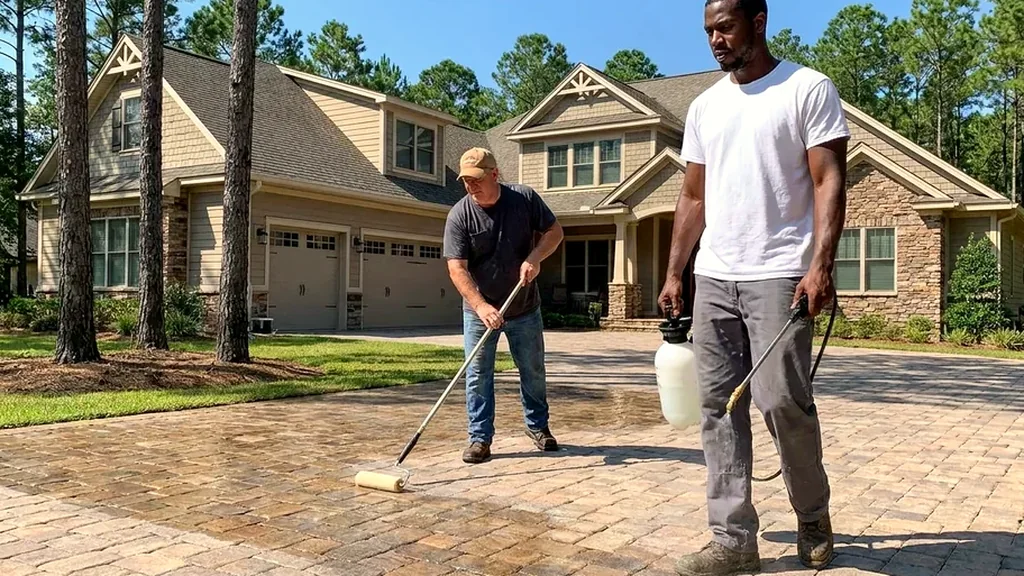
The sealer goes on in your finish, sprayed and rolled in so it reaches the joints. Plan on about 24 hours before foot traffic and 48 to 72 hours before vehicles, as one local company says, or 4 to 6 hours for feet by another company's count. Ask the contractor for the wait that fits the product used. Plan on two to five years before a new coat, going by what companies quote. A coat that dries evenly leaves no puddles or roller lines. You will see the color come back as the sealer sets.
Complete paver services in Longwood
A Longwood job runs wash, re-sand, dry and seal, in that order. Leaf stains and rust get pretreated first so they do not set. Fresh sand goes into the joints before the coat. To hear how long each stage takes on your lot, call (689) 356-6421.
Driveways in Longwood take daily cars and the curb dips that come with them. Walkways under big trees stay damp and stain. Back patios and pool areas take more splash and moisture. Tell the contractor which of these you have when you request your free estimate.
Sealer comes down to water-based or solvent-based, and then to matte or a wet look. One Central Florida company calls water-based the standard for Florida humidity. A wet look deepens color but shows scuffs sooner. Call (689) 356-6421 to talk through which finish suits your Longwood house.
Timing in Longwood follows the weather. Afternoon storms can push a day, and sprinklers need to stay off for 24 hours afterward. The festival weekend in late November also fills Historic Downtown, so crews and trucks may plan around it. For a date that suits your street, request your free estimate.
Questions to ask before you hire
- How many square feet did you measure, and how did you get that number?
- What is the sealer made of, and how long does it usually hold up on a Florida driveway?
- How soon can I walk on the pavers, and when can the cars come back?
- Can you seal travertine and brick pavers the same way as concrete ones?
- Can I see a matte finish and a shiny finish on a small spot before you pick one?
- What do you do about the white powder that keeps rising out of the pavers?
- Will you treat the green algae along my screen enclosure and pool edge before sealing?
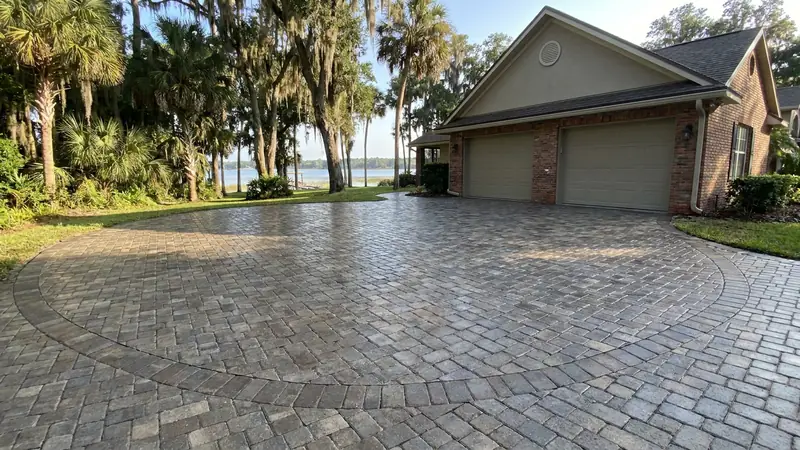
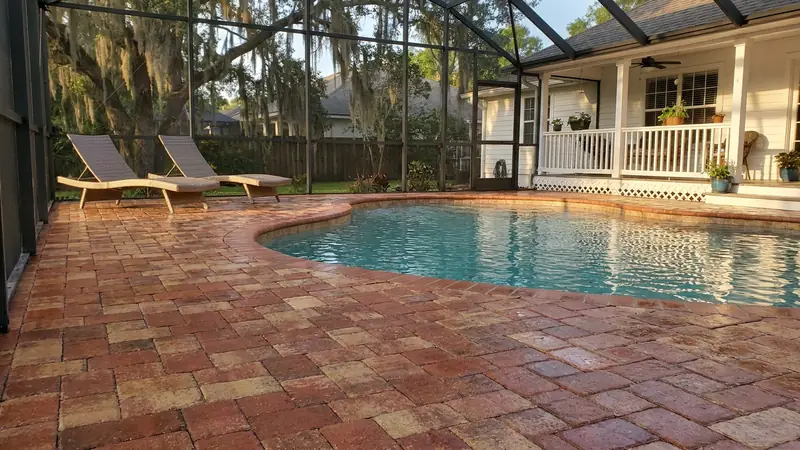
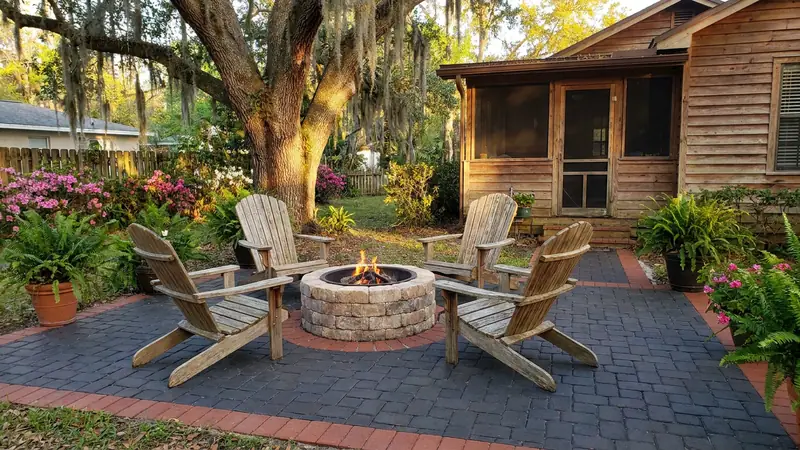
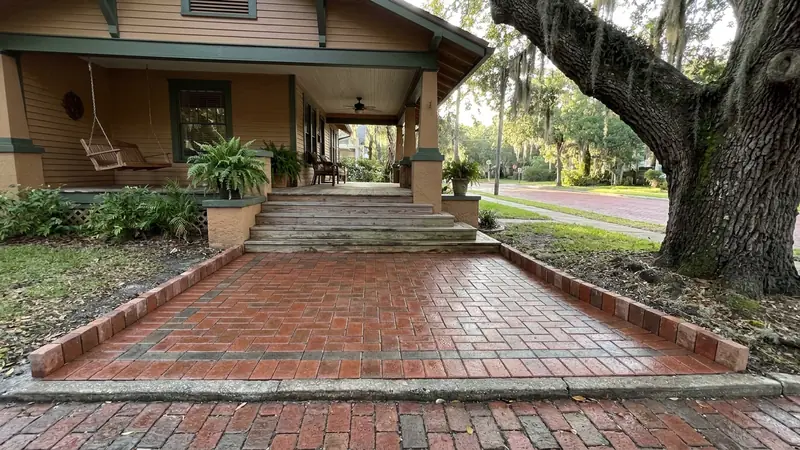
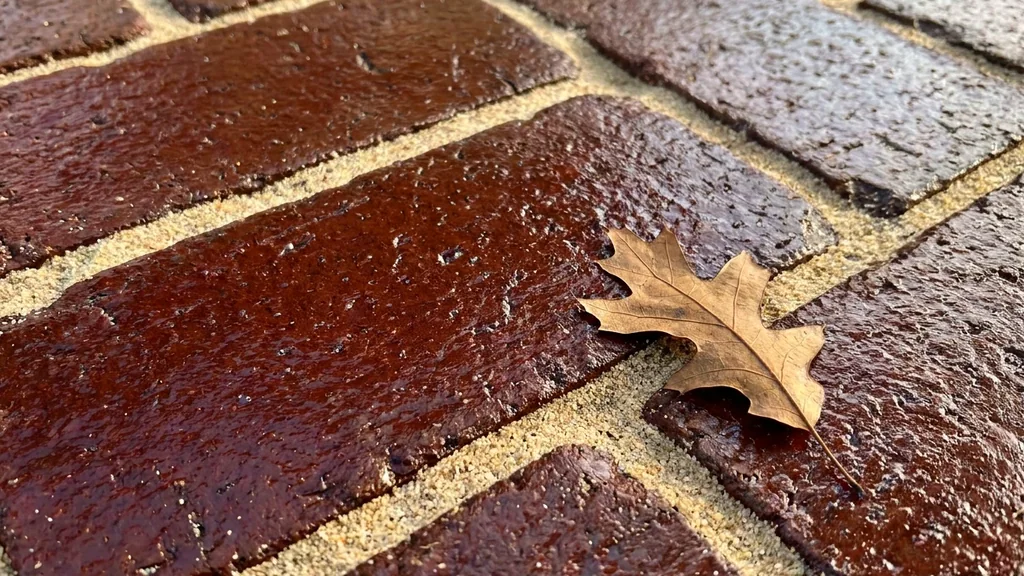
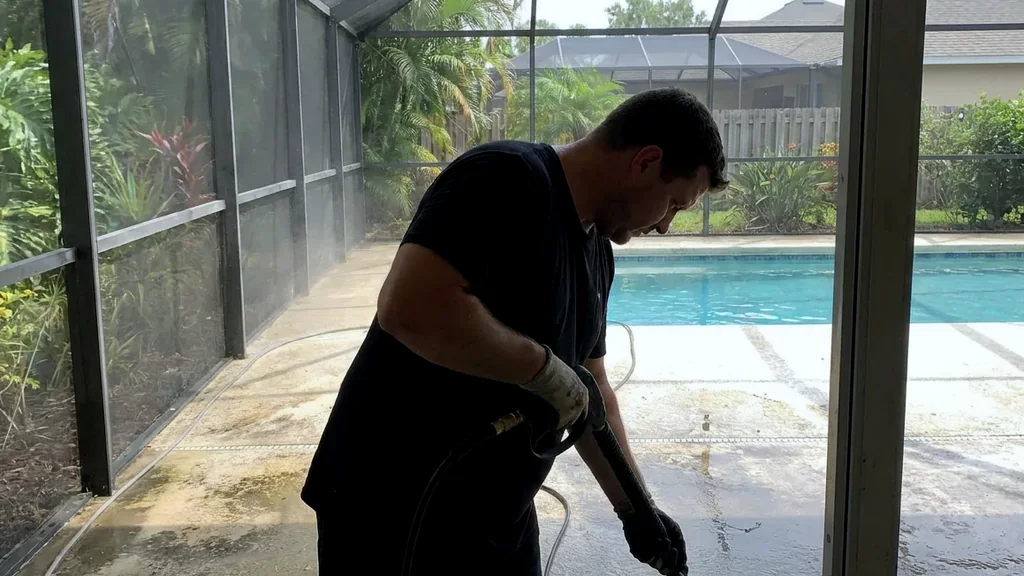
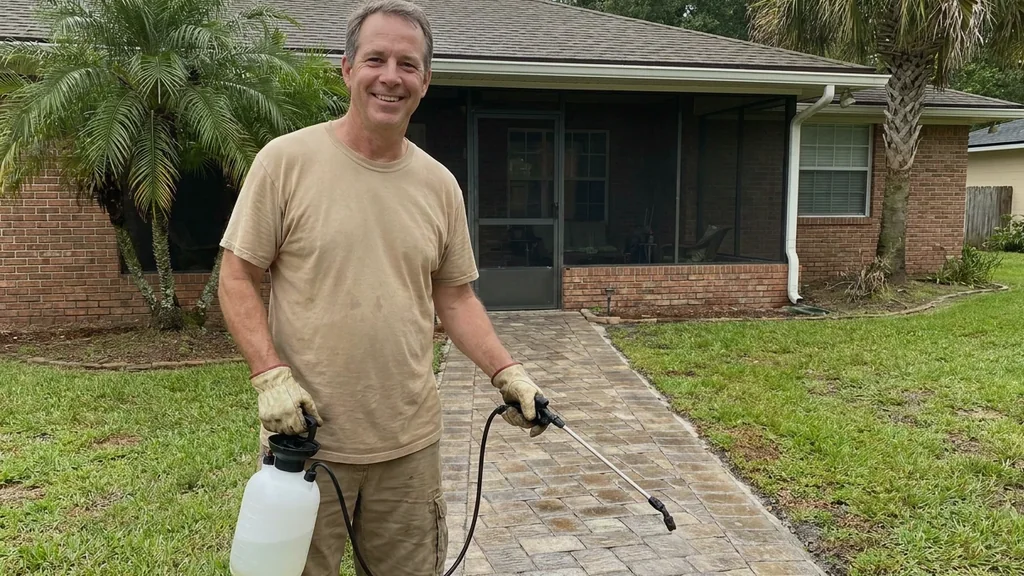
What do sealed pavers look like around Longwood?
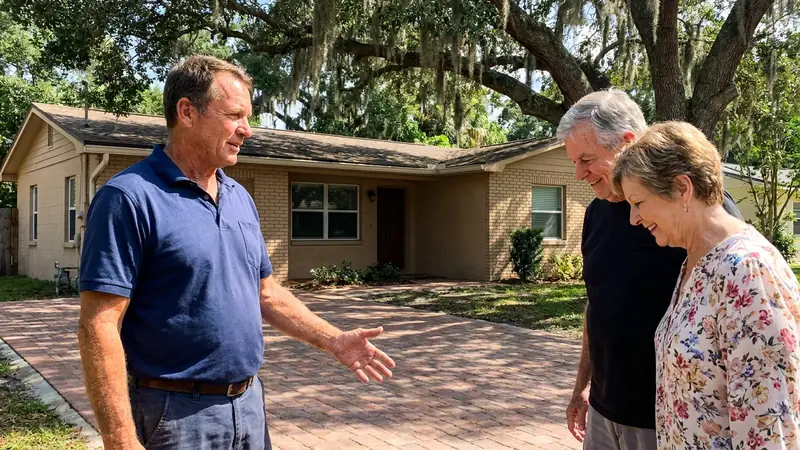
Why local matters in Longwood
A contractor who works Longwood knows the city has two kinds of streets: village blocks with 1870s roots and subdivisions built since the 1960s. Each one wears pavers differently. Someone new to the area may treat them the same. To reach a contractor who works Longwood, call (689) 356-6421.
Local knowledge also covers the calendar. The city lists the Arts and Crafts Festival on November 21 and 22, 2026, in Historic Downtown, with a farmers market on two Saturdays. Street sweeping and event traffic can slow deliveries. You can request your free estimate and ask how the contractor plans around them.
It matters near older homes too. Longwood has an 1873 prefabricated house, a 1930s casino turned umpire school and an 1885 Queen Anne cottage moved from Altamonte Springs. Wash water and cleaners near old wood and brick need care. If your home is near any of these, request your free estimate and say about when it was built.
How old is Longwood, and does that matter for my pavers?
Yes, a little, since the oldest part of town has stood since the 1870s. Edward Warren Henck named Longwood for a Boston suburb, and the South Florida Railroad arrived in 1880. The historic district now holds 37 historic buildings on 190 acres. If your home sits near those streets, request your free estimate.
Newer Longwood grew when military and space jobs filled nearby bases in the 1950s to 1970s. The Woodlands replaced Longwood Slade Airport, and Longwood, Sabal Point, Wekiva and Woodlands elementary schools serve the families. Near the SunRail station or State Road 434, call (689) 356-6421 and name your street.
Frequently Asked Questions
How long does paver sealing last in Longwood?
Quoted spans run two to five years between coats, and one Orlando company says two to four. Heavy shade under trees and daily family cars are reasons to check a Longwood driveway toward the shorter end. A water test helps: water that beads means the sealer works, and water that soaks in means it is done. Sealer slows fading and stains but does not stop growth. A yearly rinse with plain water between coats helps the finish last.
What do professionals use to seal pavers in Longwood?
Professionals use a water-based or solvent-based sealer, and one Central Florida company calls water-based the standard for Florida humidity. They usually spray and then back-roll it so it reaches the joints and does not puddle. Ask for the product name so you can keep it on file for the next coat. Ask whether the contractor plans to use a matte or a wet look finish, since the choice affects how scuffs show on a busy driveway.
How much is paver sealing in Longwood?
Quotes in this region typically fall between $1.50 and $3.00 per square foot to clean, sand and seal. Total square footage is the biggest driver. Weeds, stains, lost sand and an old coat to strip move a Longwood job inside that range. A small walkway can price higher per square foot than a big driveway. Ask the contractor how the minimum works on a small job.
What happens if pavers in Longwood are not sealed?
Unsealed pavers fade faster and take stains more easily, since sealer slows UV fading and stains. Joint sand also washes out in storms, which widens joints and lets weeds in. Sealing does not stop algae or weeds from returning, but it slows them and makes cleanup easier. Pavers that stay damp also grow green film faster, so a sealed surface is easier to keep clean in a shady yard.
Why is paver sealing so expensive in Longwood?
The price covers a wash, joint sand and sealer, not just a coat on top. A Central Florida company says failed sealer adds cost to strip, and heavy weeds and mold add prep time. Square footage drives the total, so a big drive costs more than a small walk. Sealing is a bundle of steps, and each step takes real time. Ask for the quote to list the steps, so you can see what you are paying for.
Can pavers beside a historic Longwood home be sealed?
Yes, with care about wash water. The Longwood Historic District holds 37 historic buildings, and older wood and brick should not take hard spray. Tell the contractor the age of the house and what the walls are made of. Ask whether any city or association rule applies to your street. Whether an association or city rule applies depends on the street, so check your documents before the work starts.
When can I drive on a sealed Longwood driveway?
One Longwood company advises about 24 hours before foot traffic and 48 to 72 hours before vehicles. Another says at least 4 to 6 hours for feet and at least 48 hours for cars. Damp air, shade or a rainy week can add time to either number. The contractor can give the exact wait for the product used. Chairs, planters and pets stay off during the wait, and the sprinklers stay off for the full 24 hours.
Can new sealer go over old sealer on Longwood pavers?
Not always, because a water-based coat cannot be laid over a solvent-based one. If an earlier coat has failed, an Orlando company says it must be chemically stripped first. That is common on a home you bought with the pavers already down. Keep any record of the last product you can find. A contractor will usually test a small area to learn what the old coat is before quoting the job.
Ready for a Free Estimate in Longwood?
Call (689) 356-6421 and tell us about your pavers.
Free, no obligation